Health Risks Associated With Rodents in Residential and Commercial Spaces
Local contractors specializing in rodent pest control can help reduce health risks associated with rodents in residential and commercial spaces by safely removing pests and preventing infestations.
Visitors exploring concerns about health risks associated with rodents in residential and commercial spaces are in the right place. Understanding the potential dangers that rodents can pose helps property owners make informed decisions about maintaining a safe environment. Whether in homes or businesses, rodents can carry and transmit illnesses, contaminate food supplies, and cause property damage-making it essential to address infestations promptly. Local contractors specializing in rodent pest control have the experience and tools to help mitigate these risks, ensuring spaces remain healthier and safer for everyone.
Exploring this topic is especially practical for property owners who want to protect their families, employees, or customers from potential health hazards. Rodent activity can often go unnoticed until it’s too late, but early intervention by experienced service providers can reduce the likelihood of serious health issues. By connecting with local pest control experts, property owners can access effective solutions tailored to their specific needs, helping to prevent health risks associated with rodents in residential and commercial spaces before they become a larger problem.
- Residential rodent control services are needed when homeowners notice rodent droppings or signs of infestation, and local contractors focus on identifying entry points and implementing safe removal methods.
- Commercial pest management for rodents is essential for businesses experiencing rodent activity, with service providers prioritizing sanitation and exclusion techniques to reduce health risks.
- Emergency rodent removal services are sought when urgent health concerns arise from rodent sightings, with local experts responding quickly to contain and eliminate infestations.
- Preventative rodent proofing helps protect properties before health risks escalate, as local pros seal entry points and advise on sanitation practices to minimize rodent attraction.
- Infestation cleanup and sanitation services are necessary after rodent activity, with service providers safely removing contaminated materials and disinfecting affected areas to reduce health hazards.
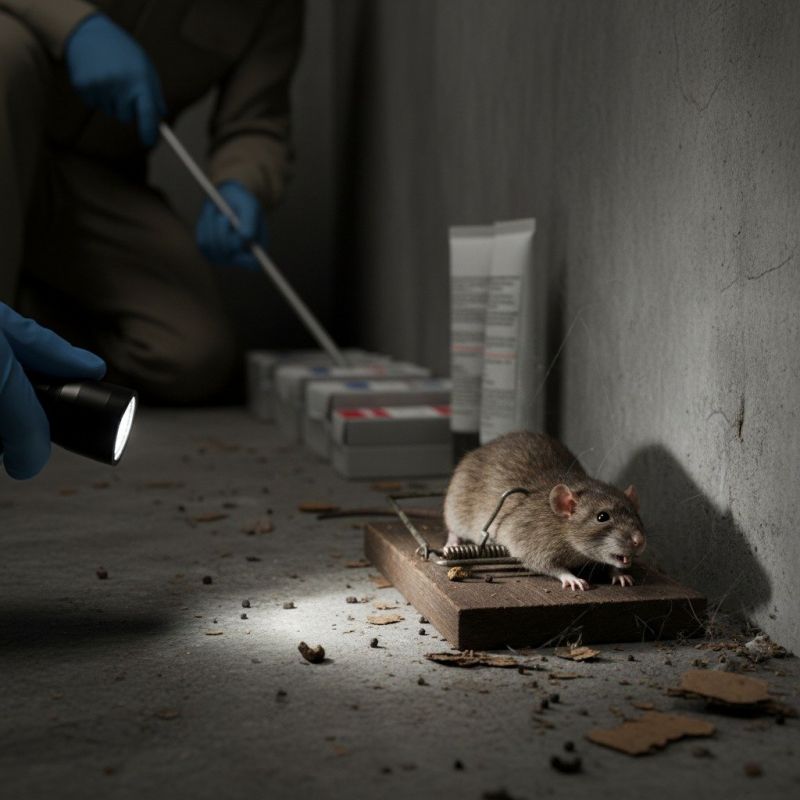
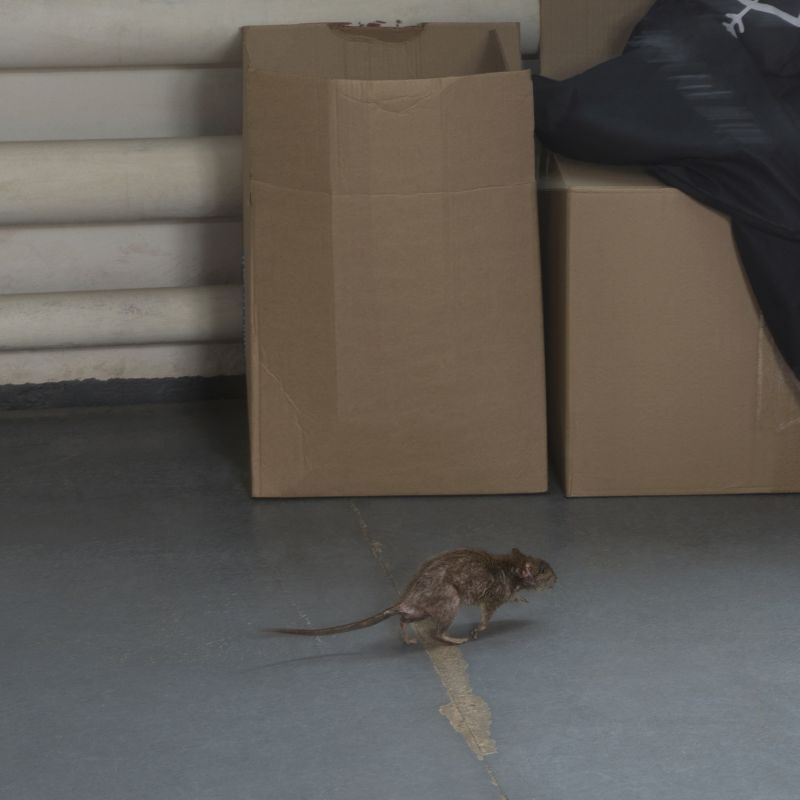
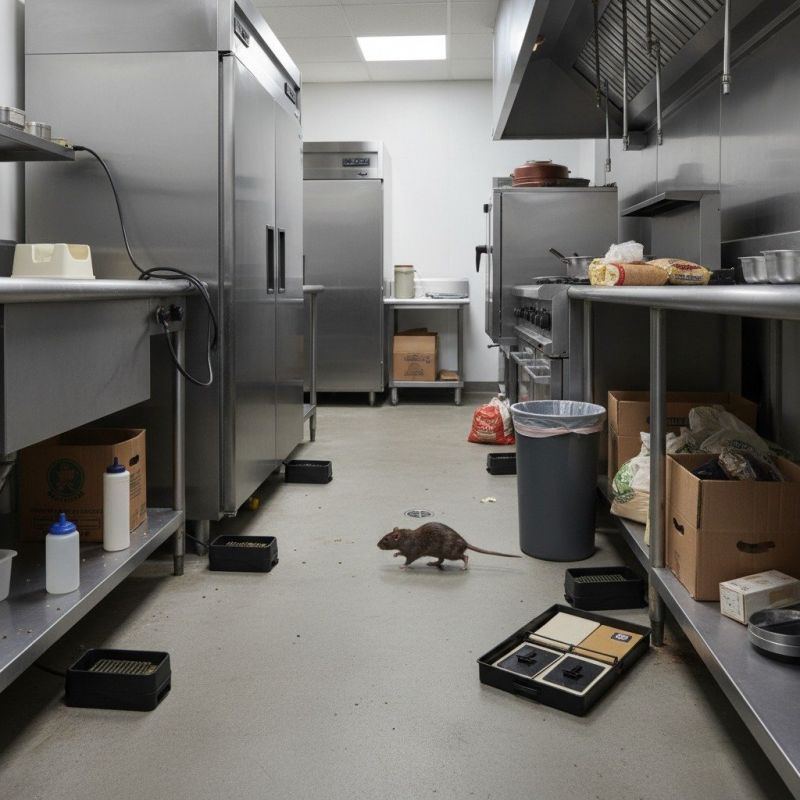
When people search for information on health risks associated with rodents in residential and commercial spaces, they are typically concerned about the potential dangers that these pests pose to human health. This topic often comes up in the context of property inspections, pest management planning, or when addressing existing rodent problems. Homeowners and business owners alike want to understand how rodents might threaten their health, especially if they notice signs of infestation such as droppings, gnaw marks, or unusual odors. The focus is usually on identifying the specific health hazards that rodents carry and learning how to prevent or mitigate these risks through effective pest control measures.
The health risks associated with rodents in residential and commercial properties are diverse and can affect anyone living or working in an infested space. Rodents are known carriers of various pathogens that can cause serious illnesses, including hantavirus, salmonella, leptospirosis, and rat-bite fever. Their droppings, urine, and saliva can contaminate surfaces and food supplies, creating an environment where disease transmission is more likely. Additionally, rodents may introduce parasites such as fleas and ticks, which can further spread diseases. Recognizing these risks is essential for property owners who want to protect the health of occupants, employees, or visitors, and it underscores the importance of professional pest control services to manage and eliminate the problem.
Certain types of properties are more prone to issues related to rodents and their associated health risks. Residential homes, especially those with basements, attics, or cluttered storage areas, often provide ideal nesting spots for mice and rats. Commercial spaces such as restaurants, warehouses, and grocery stores are also at higher risk, given the availability of food sources and storage conditions that attract rodents. In both cases, the presence of rodents can lead to contamination of food products, damage to property, and the spread of disease. Local service providers specializing in rodent pest control are equipped to assess these environments, identify entry points, and implement targeted strategies to reduce health hazards while preventing future infestations.
Understanding the health risks associated with rodents in residential and commercial spaces highlights the importance of prompt, professional intervention. Local pros can conduct thorough inspections to determine the extent of an infestation and identify specific health hazards. They can then implement integrated pest management approaches that focus on sanitation, exclusion, and targeted trapping or baiting. By addressing the root causes of rodent activity, these service providers help reduce the risk of disease transmission and protect the well-being of building occupants. For property owners, connecting with experienced local contractors is a key step toward creating a safer environment and minimizing the health dangers posed by rodents.
Wildlife Exclusion Projects - These projects involve sealing entry points and implementing exclusion techniques, which are essential skills for preventing rodents that pose health risks in residential and commercial spaces.
Building Inspection and Damage Assessment - Inspectors identify signs of rodent activity and structural damage, helping to mitigate health risks associated with rodent infestations.
Sanitation and Waste Management Services - Proper waste handling and sanitation practices reduce attractants for rodents, supporting efforts to minimize health risks in various environments.
Structural Repair and Pest Proofing - Repairing gaps and reinforcing buildings prevent rodent entry, a critical step in controlling health risks linked to rodent-borne diseases.
Indoor Air Quality Testing - Testing for airborne contaminants can reveal the presence of rodent allergens and pathogens, aiding in health risk mitigation strategies.
Pest Monitoring and Surveillance - Ongoing monitoring helps detect early signs of rodent activity, allowing local contractors to address health risks promptly and effectively.
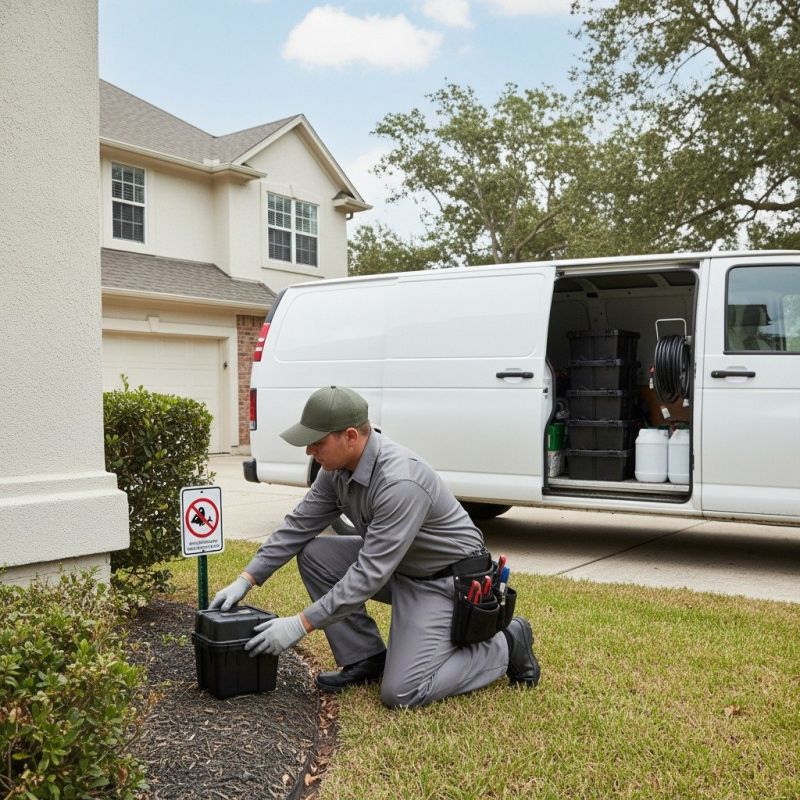
When evaluating service providers for rodent pest control, it’s important to consider their experience handling similar projects in residential or commercial settings. An experienced local contractor will have a better understanding of the common entry points, nesting areas, and behaviors of rodents in your area, which can influence the effectiveness of their approach. Asking about their background with properties like yours-whether it's a home, restaurant, or warehouse-can provide insight into their familiarity with the unique health risks associated with rodents in different environments.
Clear written expectations are essential when comparing local pros for rodent pest control services. A reputable contractor should be able to outline what the treatment process involves, including inspection, trapping, baiting, and sanitation measures, as well as any steps homeowners or business owners need to take. This transparency helps ensure that all parties have a shared understanding of the scope of work and the potential health benefits of reducing rodent populations, which directly relates to minimizing health risks associated with rodents in residential and commercial spaces.
Reputable references and effective communication are key indicators of a reliable service provider. Pros who can provide references from previous clients with similar needs demonstrate their track record of successful and safe pest control. Good communication throughout the process-such as promptly answering questions and providing updates-can help address concerns about health risks and ensure that property owners are fully informed about the steps being taken to reduce rodent-related health hazards. This level of engagement supports a safer environment by fostering trust and clarity during the pest control process.
Property owners often search for health risks associated with rodents in residential and commercial spaces when they are planning practical projects around their homes and businesses. Local pros provide Rodent Pest Control services for everyday jobs and straightforward project options.
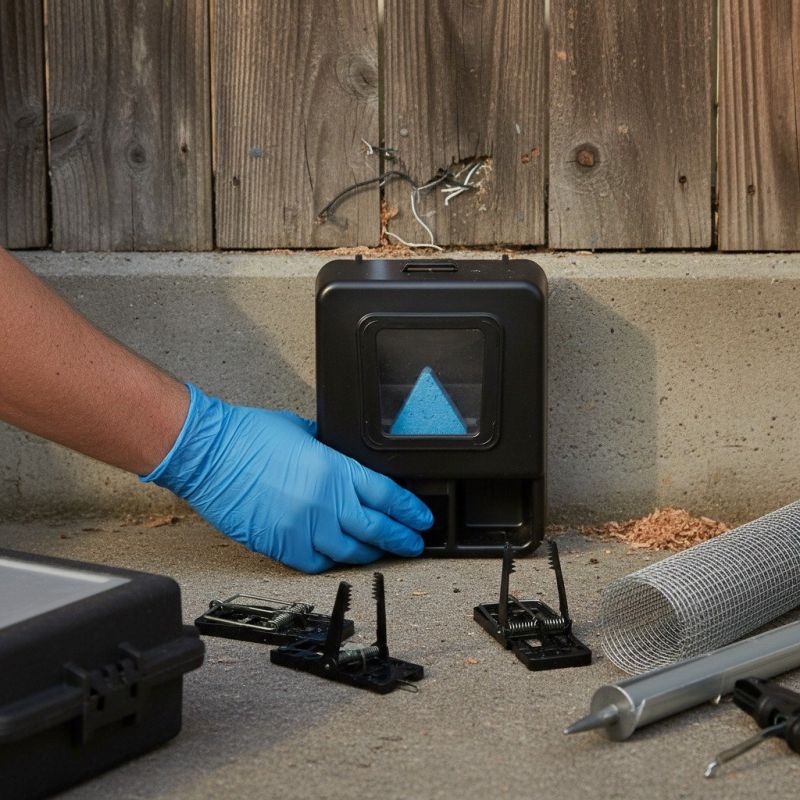
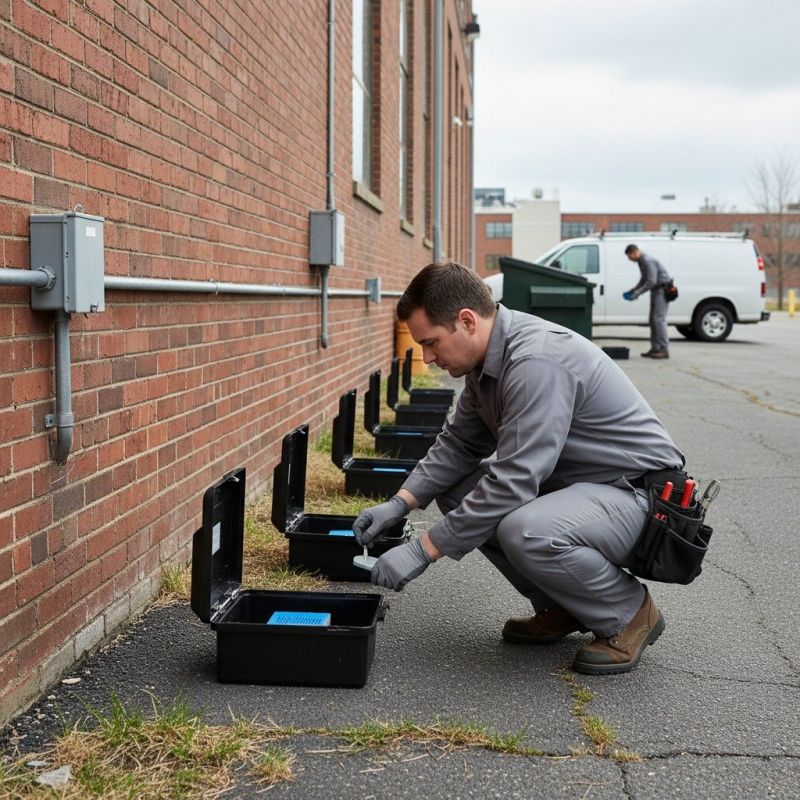
In residential and commercial spaces, the presence of rodents can pose significant health risks associated with rodents in these environments. These pests are known to carry and transmit various diseases through their droppings, urine, and bites, which can lead to illnesses such as hantavirus, salmonella, and leptospirosis. Additionally, rodents can contaminate food supplies and surfaces, increasing the potential for cross-contamination and health hazards for occupants. Property owners noticing signs of rodent activity are encouraged to consider the services of local contractors who specialize in rodent pest control to effectively address these risks and maintain a safe environment.
Beyond health concerns, rodents can also cause structural damage and property deterioration, which may indirectly contribute to health issues by creating entry points for other pests or compromising sanitation. Professional rodent pest control providers in the area are equipped to assess the extent of the problem, implement targeted removal strategies, and help prevent future infestations. Engaging with these local service providers can be an essential step in reducing health risks associated with rodents in both residential and commercial settings, ensuring spaces remain safe and hygienic for everyone.
What health risks are linked to rodents in homes and businesses? Rodents can carry diseases such as hantavirus, salmonella, and leptospira, which can pose serious health threats to residents and employees. Local contractors specializing in rodent pest control can help reduce these risks by effectively removing infestations.
How do rodents spread illnesses in residential and commercial spaces? Rodents can transmit illnesses through their droppings, urine, bites, and contaminated surfaces. Professional pest control services can identify and eliminate rodent sources to minimize disease transmission.
Can rodent infestations impact indoor air quality and health? Yes, rodent droppings and urine can contribute to poor air quality and trigger allergies or respiratory issues. Local service providers can implement measures to remove rodents and improve indoor health conditions.
Why is prompt rodent removal important for health safety? Quick action helps prevent the spread of diseases and reduces exposure to allergens and pathogens associated with rodents. Local pest control experts can provide timely interventions to safeguard health.
What role do professional rodent control services play in protecting health? They identify rodent entry points, remove infestations, and implement exclusion methods to prevent future problems, thereby lowering health risks linked to rodents in various spaces.
Identify infestation entry points - property owners can work with local contractors to seal gaps and cracks that allow rodents to enter, reducing health risks associated with rodents in residential and commercial spaces.
Implement sanitation measures - applying recommended cleanup practices with the help of local pros can minimize food sources and nesting sites that attract rodents and increase health hazards.
Establish ongoing monitoring - setting up regular inspections with local pest control providers can help detect early signs of rodent activity, preventing potential health risks before they escalate.
Apply targeted removal strategies - coordinating with local contractors to remove rodents safely can reduce exposure to diseases and other health risks associated with rodents in the environment.
If you are thinking about health risks associated with rodents in residential and commercial spaces for a property, this guide is meant to help you understand this topic, the typical project types, and how different options might fit your plans.
When you are ready, you can use the quote form on this page to share a few details about your project. From there, local pros can review the basics and follow up with options that match what you have in mind.