Signs You Have a Rodent Infestation on Your Property
If you notice signs you have a rodent infestation on your property, local contractors can provide effective control solutions to eliminate the problem.
Noticing signs of a rodent infestation on your property can be unsettling, but recognizing the early warning indicators is an important step in protecting your home or business. Common signs include gnaw marks on wires or furniture, droppings in hidden areas, and unusual noises such as scurrying sounds in walls or ceilings. Property owners in the area often seek guidance on identifying these clues to prevent minor issues from escalating into larger problems. Local service providers specializing in rodent control can assist with thorough inspections and effective solutions, helping to address infestations before they cause significant damage or health concerns.
Understanding what to look for can empower property owners to take prompt action and minimize potential risks. If you notice evidence like chewed insulation, nests made from shredded materials, or a persistent smell of rodents, it’s wise to consider professional assistance. Many local contractors offer comprehensive rodent infestation control services designed to eliminate pests and secure your property. Keeping an eye out for these signs and reaching out to experienced experts can make a meaningful difference in maintaining a safe, pest-free environment.
- Rodent exclusion services - when signs you have a rodent infestation on your property include droppings and gnaw marks, and local contractors can implement targeted exclusion methods.
- Baiting and trapping services - if you notice unusual noises or sightings of rodents, local service providers can set traps and bait stations to reduce the infestation.
- Sanitation and cleanup - evidence like shredded materials or nesting sites may require professional cleanup, which local pros handle to remove attractants and secure the area.
- Inspection and monitoring - ongoing signs such as fresh droppings or new gnaw marks can be addressed through thorough inspections and monitoring by local contractors.
- Structural repairs - if signs you have a rodent infestation on your property indicate entry points or damage, local pros can perform repairs to prevent further intrusion.

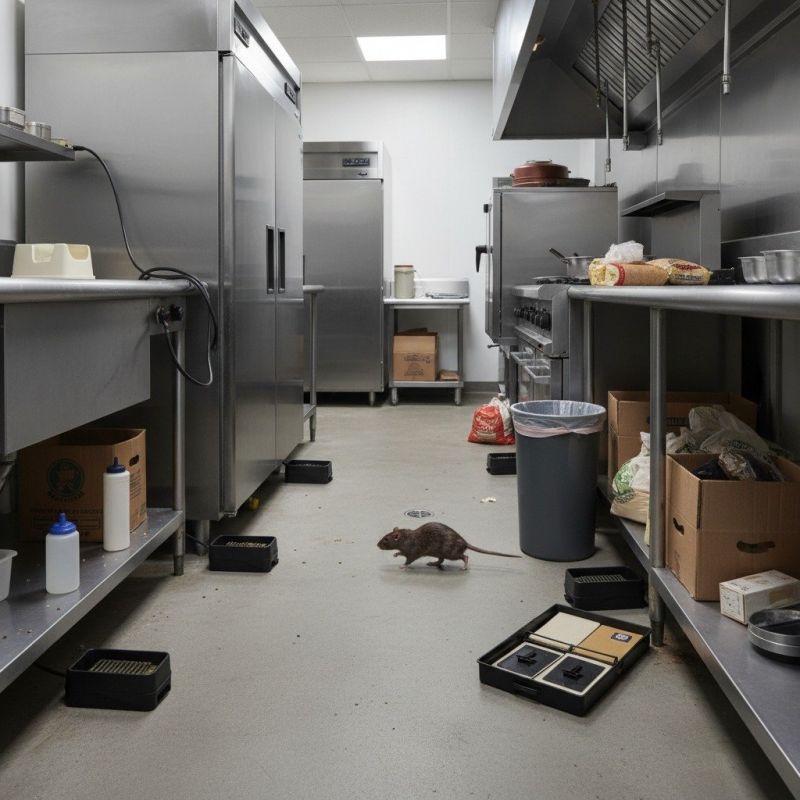
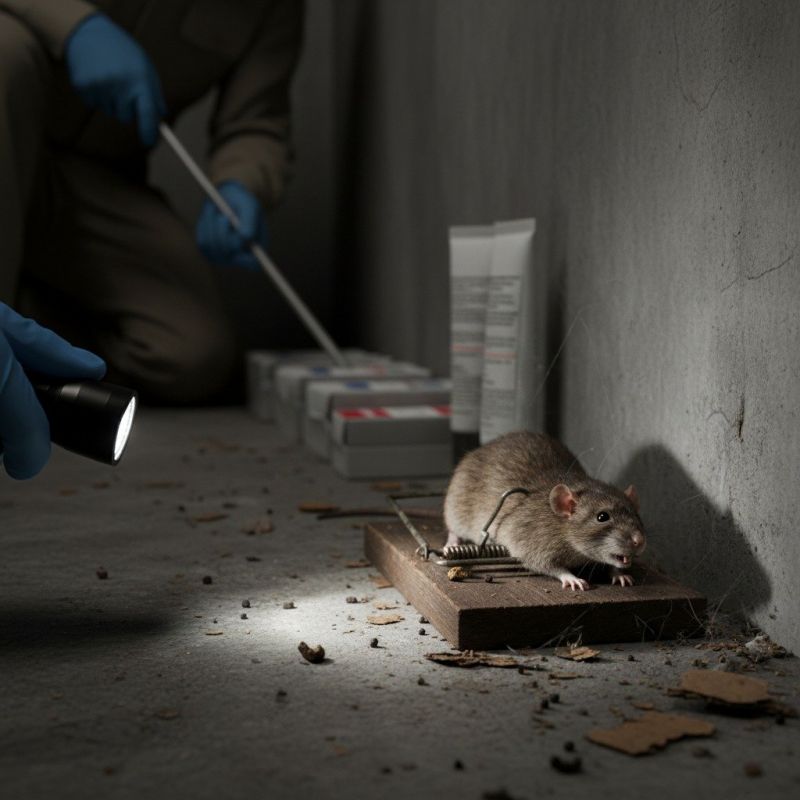
Recognizing signs you have a rodent infestation on your property is a crucial step in addressing a common but often overlooked problem. When homeowners search for this topic, they are typically trying to identify early warning indicators that rodents have taken up residence nearby. These signs can include unusual noises in walls or attics, such as scratching or scurrying sounds, especially during nighttime hours. Additionally, sightings of rodents themselves-whether they are mice or rats-are clear indicators. Other common signals include droppings, gnawed wires or furniture, and nests made from shredded materials. Understanding these signs helps property owners determine if a rodent problem exists before it escalates into more significant damage or health concerns.
The problems associated with rodent infestations are diverse and can impact various plans for property maintenance and safety. Rodents can cause structural damage by gnawing on wood, insulation, or electrical wiring, which may lead to costly repairs or fire hazards. They also pose health risks, as they can carry diseases that are transmissible to humans and pets. For homeowners, identifying signs of an infestation is often the first step in planning an effective response. Local rodent infestation control professionals are equipped to evaluate the scope of the problem, recommend appropriate treatment methods, and help prevent future issues through targeted exclusion and sanitation strategies. Recognizing early signs allows property owners to coordinate these efforts promptly, minimizing damage and health risks.
Properties that are most susceptible to rodent infestations typically include residential homes, especially those with easy access points such as gaps around doors, windows, or foundations. Multi-family dwellings, like apartment complexes, can also be vulnerable due to shared walls and common areas. Commercial properties, warehouses, and food storage facilities are at increased risk because of the availability of food sources and hiding spots. Rural properties, farms, and outbuildings may attract rodents seeking shelter and nourishment. Regardless of property type, any structure with accessible entry points or cluttered areas provides an inviting environment for rodents. Recognizing the specific vulnerabilities of different property types helps homeowners and property managers understand where to focus inspection and exclusion efforts, often with the assistance of local service providers experienced in rodent control.
Understanding the signs of a rodent infestation on your property is essential for timely intervention and effective management. Homeowners should stay alert to the physical evidence like droppings, gnawed materials, and nesting debris, as well as behavioral signs such as increased activity at night or unusual smells. These indicators often prompt property owners to seek the help of local rodent infestation control specialists, who can provide targeted solutions to eliminate the problem. These professionals can assess the unique characteristics of each property, identify entry points, and implement exclusion and trapping methods to restore safety and cleanliness. Recognizing the signs early and engaging experienced service providers can make a significant difference in controlling and preventing rodent issues, ultimately protecting the property and its occupants from potential damage and health hazards.
Pest Inspection Services - Professionals skilled in identifying signs of rodent activity can assess your property for potential entry points and nesting areas, helping to confirm infestations.
Home Maintenance & Repair - Local contractors experienced in sealing gaps and repairing structural vulnerabilities can prevent rodents from entering and establish a barrier against future infestations.
Wildlife Removal - Experts in humane removal of pests can assist with rodent exclusion and ensure that any existing animals are safely relocated from your property.
Sanitation & Cleanup - Service providers specializing in sanitation can help remove droppings, nesting materials, and other evidence of rodent presence to reduce health risks.
Exclusion & Barrier Installation - Contractors skilled in installing barriers and rodent-proofing measures can help block access points and prevent re-infestation.
Property Inspection & Consulting - Professionals offering comprehensive property assessments can identify vulnerabilities that may attract rodents and recommend effective solutions.

When comparing service providers for rodent infestation control, it is important to consider their experience with similar projects. Homeowners should look for local contractors who have a proven track record of successfully managing rodent problems in residential settings. An experienced provider will be familiar with common signs of infestation and effective methods for addressing them, which can lead to more efficient and thorough results. Asking about the number of past projects or the types of properties they have worked on can help gauge their familiarity with the specific challenges that may arise on a homeowner’s property.
Clear written expectations are crucial when selecting a rodent control service. Homeowners should seek providers who can offer detailed descriptions of their recommended approach, including the scope of work, methods used, and any follow-up procedures. Transparent communication about what to expect helps prevent misunderstandings and ensures that both parties are aligned on the process. Service providers who can clearly articulate their plan and answer questions thoroughly demonstrate professionalism and a commitment to client understanding.
Reputable references and effective communication are key indicators of a trustworthy contractor. Homeowners are encouraged to request references from previous clients or review feedback to assess the quality of the service provider’s work. Good communication throughout the process-such as prompt responses to inquiries and clarity in explanations-can make the experience smoother and more manageable. Choosing local contractors known for their professionalism and responsiveness can provide added confidence that the rodent infestation will be addressed competently and efficiently.
Property owners often search for signs you have a rodent infestation on your property when they are planning practical projects around their homes and businesses. Local pros provide Rodent Infestation Control services for everyday jobs and straightforward project options.

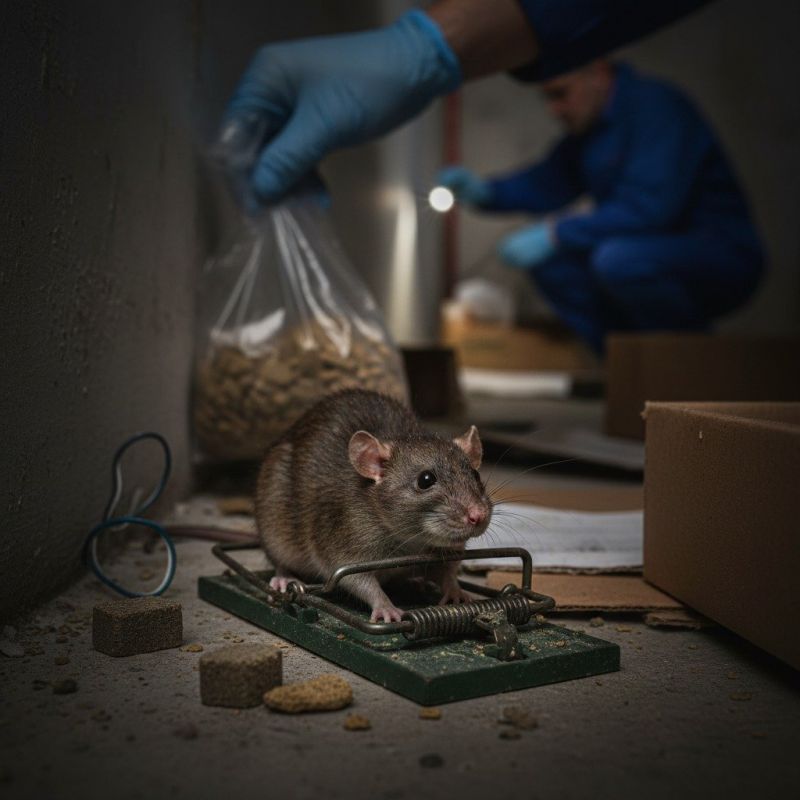
Recognizing signs you have a rodent infestation on your property can often come down to simple observations during everyday activities. For instance, noticing droppings in the garage, attic, or along baseboards is a common indicator that rodents may have taken up residence nearby. Chewed wires, insulation, or stored items can also point to rodent activity, as these pests tend to gnaw on materials to keep their teeth from overgrowing. Additionally, hearing scratching or scurrying sounds within walls or ceilings can be a sign that rodents are present and active in hidden areas of the property.
Property owners in the area who spot these signs might consider reaching out to local contractors who specialize in rodent infestation control. These service providers can assess the situation, identify entry points, and implement effective measures to eliminate rodents and prevent future issues. Engaging with experienced local pros can help ensure that the problem is addressed thoroughly, minimizing potential damage and health concerns associated with rodent infestations.
What are common physical signs of a rodent infestation on a property? Look for droppings, gnaw marks on wires or furniture, and nests made from shredded materials, which indicate rodents may be present and that local contractors can help address the issue.
How can I tell if I have rodents in my walls or attic? Sounds like scratching or scurrying noises, especially at night, along with greasy marks or urine trails, are signs that service providers experienced in rodent control can investigate and eliminate the problem.
Are there specific smells that suggest a rodent infestation? A strong, musky odor near walls, corners, or hidden areas can signal rodents, and local pest control experts can assess and treat the infestation accordingly.
What behavioral signs might indicate rodents are active around my property? Observing rodents during evening hours or noticing chewed-up items and disturbed insulation can be signs that local contractors can address through effective control methods.
Can signs of rodent activity be mistaken for other pests? Yes, but specific indicators like droppings size and nesting materials help distinguish rodents, and experienced service providers can accurately identify and handle the infestation.
Unusual odors - Recognizing strange smells in your home can indicate rodent presence, prompting a consultation with local contractors to assess and address the issue.
Gnaw marks and droppings - Spotting bite marks or droppings around your property can lead to scheduling an inspection with nearby experts for effective control solutions.
Noises in walls or ceilings - Hearing scratching or scurrying sounds may suggest rodents, encouraging property owners to seek professional services for removal and prevention.
Signs of nesting - Finding shredded materials or nests in hidden areas can motivate a project with local service providers to eliminate rodents and secure the property.
If you are thinking about signs you have a rodent infestation on your property for a property, this guide is meant to help you understand this topic, the typical project types, and how different options might fit your plans.
When you are ready, you can use the quote form on this page to share a few details about your project. From there, local pros can review the basics and follow up with options that match what you have in mind.